
















1. SHORT NEWS ARTICLE (300 words)
Rupee Weakens as RBI Delivers Fourth Rate Cut of 2025
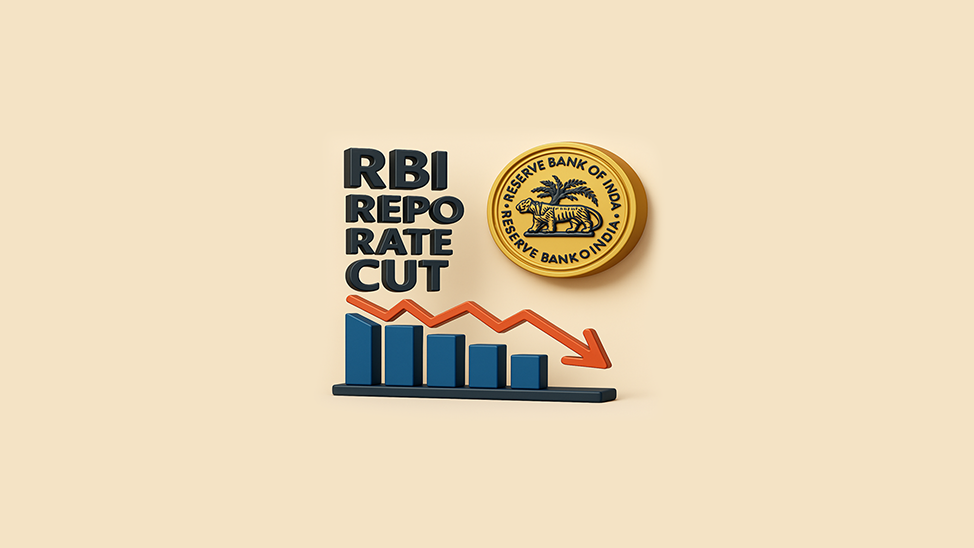
New Delhi, December 6, 2025 – The Indian rupee continued its downward trend after the Reserve Bank of India announced a 25 basis point rate cut on Thursday, bringing the repo rate to 5.25 percent. The currency, already Asia’s worst performer this year with a 5.5 percent decline, briefly crossed the 90-per-dollar mark before recovering to close at 89.98.
The monetary policy committee’s unanimous decision marks the fourth rate reduction this year, totaling 125 basis points. RBI Governor Sanjay Malhotra cited weak economic indicators despite overall resilience, with GDP growth reaching 8.2 percent in the July-September quarter.
The rate cut creates a delicate balance. Lower interest rates typically weaken currencies by reducing foreign investment appeal, yet the RBI has prioritized domestic growth over currency defense. The central bank’s substantial foreign exchange reserves of 686.2 billion dollars provide cushion for this strategy.
Borrowers stand to benefit immediately, with home loan interest rates expected to decline. A 30 lakh rupee mortgage could see annual savings of approximately 4,500 rupees. Exporters have welcomed the move, as lower borrowing costs and a weaker rupee improve their competitiveness.
The RBI also announced major liquidity measures, including one trillion rupees in government bond purchases and five billion dollars through forex swaps. These actions aim to ensure smoother transmission of lower rates throughout the banking system.
Looking ahead, the central bank revised its GDP forecast upward to 7.3 percent for fiscal year 2025-26 while lowering inflation expectations to 2.0 percent. Governor Malhotra emphasized a neutral stance, keeping options open for future policy adjustments based on evolving economic conditions.
Analysts expect the rupee to stabilize around 87 per dollar by year-end, supported by strong reserves and manageable current account deficits.
2. SOCIAL MEDIA POSTS
Twitter/X Post 1 (Character count: 278)
🚨 BREAKING: RBI cuts repo rate to 5.25% – the 4th cut in 2025!
💰 What it means for YOU: ✅ Lower home loan EMIs ✅ Cheaper personal loans ✅ Better export competitiveness
📉 But the rupee slips past ₹90/$
The tradeoff: Growth vs Currency strength
#RBI #InterestRates #IndianEconomy #Rupee
Twitter/X Post 2 (Character count: 251)
RBI’s bold move: Prioritizing GROWTH over rupee defense
📊 The numbers: • Repo rate: 5.25% (down 125 bps in 2025) • GDP growth: 8.2% 📈 • Inflation: 0.3% 📉 • Forex reserves: $686B 💪
Governor Malhotra signals “neutral stance” – more cuts possible?
#MonetaryPolicy #IndianRupee
LinkedIn Post (Professional audience)
RBI Rate Cut: Strategic Analysis for Business Leaders
The Reserve Bank of India’s 25 bps rate cut to 5.25% signals a clear prioritization of domestic growth over currency management. Here’s what business leaders need to know:
Immediate Impacts: • Working capital costs decrease for MSMEs • Export sectors gain dual advantage (lower rates + weaker rupee) • Real estate demand could see sustained momentum in affordable segments
Strategic Considerations: The RBI’s ₹1 trillion bond purchase program and $5 billion forex swap indicate aggressive liquidity management. Companies with dollar liabilities should monitor the 89-91 rupee range closely.
Forward Outlook: With GDP projected at 7.3% and inflation benign at 2%, India maintains one of the most favorable macro environments globally. The neutral policy stance suggests flexibility for further easing if external conditions deteriorate.
Key takeaway: This is a growth-focused pivot. Businesses should capitalize on lower borrowing costs while hedging forex exposures strategically.
#BusinessStrategy #RBI #EconomicPolicy #CFO #Treasurymanagement
Instagram Caption
📉💰 RBI just cut interest rates AGAIN! Here’s what it means for your wallet 👇
The repo rate is now 5.25% – the lowest since July 2022!
✨ Good news: • Your home loan EMI could drop • Car loans getting cheaper • Personal loan rates coming down
😬 The catch: • Rupee weakness (₹90/$1) • Your dollar vacation just got pricier • Import costs rising
💡 Bottom line: Borrow now, travel later!
Are you planning to take advantage of lower rates? Comment below! 👇
#PersonalFinance #RBI #InterestRates #MoneyMatters #FinancialPlanning #IndianEconomy #SavingsMoney
3. FREQUENTLY ASKED QUESTIONS (FAQ)
Q1: What exactly did the RBI announce?
The Reserve Bank of India reduced the repo rate by 25 basis points (0.25%) to 5.25% on December 5, 2025. This is the fourth rate cut this year, bringing total reductions to 125 basis points. The RBI also announced ₹1 trillion in bond purchases and $5 billion in forex swaps to boost liquidity.
Q2: How quickly will my home loan EMI decrease?
Banks typically take 2-4 weeks to announce revised lending rates after an RBI cut. If you have a floating rate loan linked to the repo rate or MCLR, you should see reductions within 1-2 billing cycles. For a ₹30 lakh loan, you could save approximately ₹4,500 annually with a 25 bps reduction.
Q3: Why is the rupee falling if the economy is doing well?
Currency movements depend on multiple factors beyond domestic growth. The rupee faces pressure from a strong US dollar globally, concerns about potential tariff increases, and the interest rate differential between India and the US. Lower Indian rates make rupee investments slightly less attractive to foreign investors compared to dollar assets.
Q4: Should I convert my dollars to rupees now or wait?
The rupee crossed ₹90 per dollar but has shown some stability. Analysts expect it to strengthen to around ₹87 by fiscal year-end. If you need rupees immediately, current levels aren’t dramatically unfavorable. For discretionary conversions, monitoring the ₹89-91 range and converting in tranches might reduce timing risk.
Q5: Is this the last rate cut we’ll see?
The RBI has adopted a “neutral” stance, meaning it’s not committed to further cuts but remains flexible. Governor Malhotra emphasized that the priority is ensuring this rate cut transmits effectively through the economy. Further cuts would depend on how growth and inflation evolve, and whether global conditions worsen significantly.
Q6: What does this mean for my fixed deposits?
Fixed deposit rates will likely decrease over the next few months as banks adjust to lower policy rates. If you’re planning a new FD, consider locking in current rates for longer tenures (2-3 years) before banks revise them downward. Existing FDs will continue at their original contracted rates until maturity.
Q7: How does this affect my mutual fund investments?
Debt mutual funds typically benefit from rate cuts as bond prices rise when yields fall. Equity markets may respond positively to lower borrowing costs improving corporate profitability, though currency weakness could hurt import-dependent sectors. Balanced portfolios should see net positive impact.
Q8: Should exporters celebrate or worry about the weak rupee?
Exporters get a double benefit: lower working capital costs from rate cuts AND better price competitiveness from rupee weakness. However, exporters importing raw materials face higher input costs. The net impact depends on your import intensity and hedging strategies.
Q9: What are the risks to this optimistic outlook?
Key risks include: escalating global trade tensions, sharper-than-expected dollar strength, sustained crude oil price increases (India imports 85% of its oil), and unexpected domestic growth slowdown. Geopolitical tensions could also trigger risk-off sentiment affecting emerging markets.
Q10: How does India’s situation compare to other emerging markets?
India stands out with its combination of high growth (8.2%) and low inflation (0.3%), giving policymakers more flexibility than most peers. While the rupee has underperformed, India’s forex reserves and current account position are relatively stronger than many emerging markets, providing better resilience.
4. QUICK REFERENCE INFOGRAPHIC TEXT
THE RBI RATE CUT AT A GLANCE
THE DECISION 📉 Repo Rate: 5.25% (down 25 bps) 📅 Date: December 5, 2025 🎯 Fourth cut in 2025 ✅ Unanimous MPC decision
THE RUPEE STORY 💱 Current: ₹89.98/$1 📊 YTD decline: 5.5% 🏆 Asia’s worst performer 2025 💰 Forex reserves: $686.2 billion
ECONOMIC SCORECARD 📈 GDP Growth: 8.2% (Q2 FY26) 📉 Inflation: 0.3% (October) 🎯 Growth forecast: 7.3% (FY26) 🎯 Inflation outlook: 2.0% (FY26)
WINNERS ✅ Home loan borrowers ✅ SMEs & businesses ✅ Exporters ✅ Real estate sector ✅ Auto loan seekers
LIQUIDITY BOOST 💵 ₹1 trillion bond purchases 💱 $5 billion forex swaps 🎯 Goal: Faster rate transmission
WHAT’S NEXT? ⚖️ Neutral policy stance 🔮 Rupee target: ₹87/$ by FY-end ⏰ Focus: Rate transmission ❓ Future cuts: Data dependent
5. OPINION PIECE / EDITORIAL
A Calculated Gamble: Why the RBI Chose Growth Over Currency Defense
The Reserve Bank of India’s decision to cut rates while the rupee languishes near historic lows represents a fundamental shift in policy philosophy. It’s a clear signal that Governor Sanjay Malhotra’s RBI is willing to tolerate currency volatility in pursuit of sustaining India’s impressive growth momentum.
This calculated gamble makes sense when you examine the underlying fundamentals. With inflation at a mere 0.3 percent and GDP growth at 8.2 percent, India enjoys policy space that most central banks can only dream of. The question facing the MPC wasn’t whether to ease, but whether currency concerns should override growth imperatives.
The RBI’s answer is unambiguous: growth takes precedence. This confidence rests on two pillars. First, India’s forex reserves of $686 billion provide more than adequate insurance against currency shocks. The RBI can afford to let the rupee find its market level without burning through reserves defending arbitrary lines in the sand. Second, the fundamental drivers of rupee weakness are largely external—a rampaging dollar and trade policy uncertainty—and cannot be meaningfully influenced by maintaining tighter monetary policy domestically.
Critics arguing for currency defense miss a crucial point: in the current global environment, attempting to resist all depreciation would require significantly higher rates, potentially choking off the growth that makes India an attractive investment destination in the first place. A slightly weaker rupee that coexists with 8 percent growth is preferable to a marginally stronger currency alongside 6 percent growth.
The comprehensive liquidity package announced alongside the rate cut demonstrates sophisticated crisis prevention. By proactively injecting ₹1 trillion through bond purchases and $5 billion via forex swaps, the RBI ensures that the rate cut translates into actual lending rather than getting stuck in the transmission pipeline.
What’s particularly noteworthy is the messaging discipline. Governor Malhotra avoided committing to a predetermined rate path, maintaining strategic flexibility. This neutral stance prevents markets from getting ahead of the central bank while keeping options open for further easing if global conditions deteriorate or domestic momentum falters.
The real test lies ahead: will lower rates translate into productive investment and sustained consumption, or merely inflate asset prices? Will the rupee stabilize as analysts expect, or will external shocks push it weaker? Can the RBI maintain this delicate balance if inflation resurfaces?
For now, the RBI has made its bet. In choosing growth over currency management, it has accepted near-term volatility as the price for medium-term prosperity. History will judge whether this gamble paid off, but given the alternatives, it may well be the least risky path available.
6. EMAIL NEWSLETTER VERSION
Subject: Your Money Matters: How the RBI Rate Cut Affects Your Finances
Dear Reader,
The Reserve Bank of India just made its fourth rate cut of 2025, and if you have loans, investments, or travel plans, this matters to you.
The Headlines: The repo rate is now 5.25%—the lowest since July 2022. The RBI is clearly prioritizing economic growth, even as the rupee weakens past ₹90 to the dollar.
What You Should Do:
If you have a home loan: Check with your bank about when the rate reduction will apply to your EMI. Consider prepaying if you have surplus funds, as rates may not go much lower.
If you’re planning a fixed deposit: Lock in current rates for longer terms (2-3 years) before banks revise them downward.
If you’re planning international travel: The weak rupee makes foreign trips more expensive. Consider booking now if you’ve locked in rates, or wait for potential rupee recovery toward ₹87 by March.
If you’re an investor: Debt funds should benefit from falling yields. Equity markets may see a boost from lower corporate borrowing costs.
The Big Picture: India’s economy is in a sweet spot—8.2% growth with just 0.3% inflation. This gives the RBI room to support growth without worrying about price pressures. However, global uncertainty remains high, so stay informed.
Want to Dive Deeper? [Link to full blog article]
Questions? Hit reply—I read every email.
Stay financially savvy, [Your Name]
P.S. Forward this to anyone who’d benefit from understanding how interest rates affect their wallet!
7. SECTOR-SPECIFIC IMPACT ANALYSIS
REAL ESTATE SECTOR
Impact: Highly Positive Lower home loan rates could sustain demand in affordable and mid-income housing segments that experienced sequential declines. Developers in the ₹50-75 lakh price range should see improved customer sentiment. Premium segment (₹1 crore+) less sensitive to rate changes.
AUTOMOBILE SECTOR
Impact: Positive Auto loan rates declining should support two-wheeler and entry-level car demand. Commercial vehicle financing becomes more attractive, potentially boosting fleet expansion by logistics companies.
BANKING SECTOR
Impact: Mixed Net interest margins may compress as lending rates fall faster than deposit rates. However, loan volume growth could offset margin pressure. PSU banks with higher floating rate exposure benefit more from transmission.
EXPORT-ORIENTED MANUFACTURING
Impact: Highly Positive Double benefit from lower working capital costs and rupee depreciation. Textiles, engineering goods, pharmaceuticals, and IT services gain competitiveness. Gems & jewelry sector particularly advantaged.
IT SERVICES
Impact: Moderately Positive Rupee weakness boosts dollar revenue translation. However, many large IT firms hedge significantly, limiting immediate impact. Lower rates reduce cost of capital for expansion.
IMPORT-DEPENDENT SECTORS
Impact: Negative Electronics, telecom equipment, certain chemicals, and crude oil derivatives face margin pressure from rupee weakness. Companies without natural hedges may need to increase forex protection.
FMCG SECTOR
Impact: Neutral to Slightly Positive Lower borrowing costs for working capital positive, but rupee impact on imported inputs (packaging, some ingredients) creates headwinds. Volume growth from overall economic strength more significant than rate impact.
This content pack provides multiple formats optimized for different platforms and audiences. Would you like me to create additional specific pieces, such as video scripts, podcast notes, or more specialized sectoral analyses?