
















The Government of India has unveiled an ambitious ₹2,250 crore initiative under the Export Support Mission to enhance the nation’s export competitiveness, strengthen international market penetration, and safeguard India’s position in global trade. This mission is part of a larger fiscal strategy aimed at countering external trade challenges, increasing the value of Indian exports, and providing a structured framework for exporters to thrive in an increasingly competitive global economy.
At its core, the mission is not just a funding exercise — it is a multi-pronged intervention targeting infrastructure, policy reforms, market access, and technological modernization. The allocation of ₹2,250 crore reflects the government’s recognition that without strong financial backing, policy incentives alone cannot generate substantial trade growth.
Understanding the Core Objectives of the Export Support Mission
The mission has been designed to address both short-term trade recovery needs and long-term structural competitiveness.
🔸 Boosting Export Infrastructure
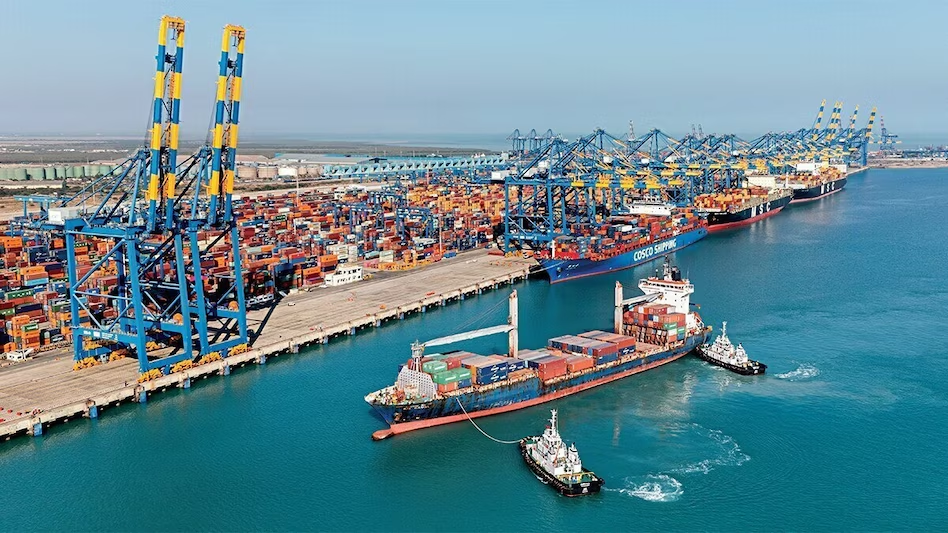
India’s export competitiveness often suffers due to logistical bottlenecks, high freight costs, and inadequate warehousing facilities. The mission allocates a significant portion of the ₹2,250 crore towards developing modern export hubs, enhancing port connectivity, and setting up integrated logistics parks near industrial clusters. By improving the speed and efficiency of cargo movement, Indian exporters can meet delivery timelines more effectively, thereby increasing their credibility in international markets. In today’s global trade environment, where delays can cause loss of contracts, such infrastructure improvements can have a direct impact on revenue growth.
🔸 Strengthening MSME Exporters
Micro, Small, and Medium Enterprises (MSMEs) account for a substantial share of India’s export base, especially in labor-intensive sectors like textiles, handicrafts, leather, and food processing. Yet, MSMEs often face challenges such as lack of credit access, insufficient market information, and difficulty complying with complex export documentation requirements. The Export Support Mission will set aside targeted funds to provide export credit guarantees, subsidized trade financing, and mentorship programs that guide small exporters on meeting international compliance standards. This not only helps MSMEs scale up production but also improves their participation in high-value export categories.
🔸 Promoting Sector-Specific Export Growth
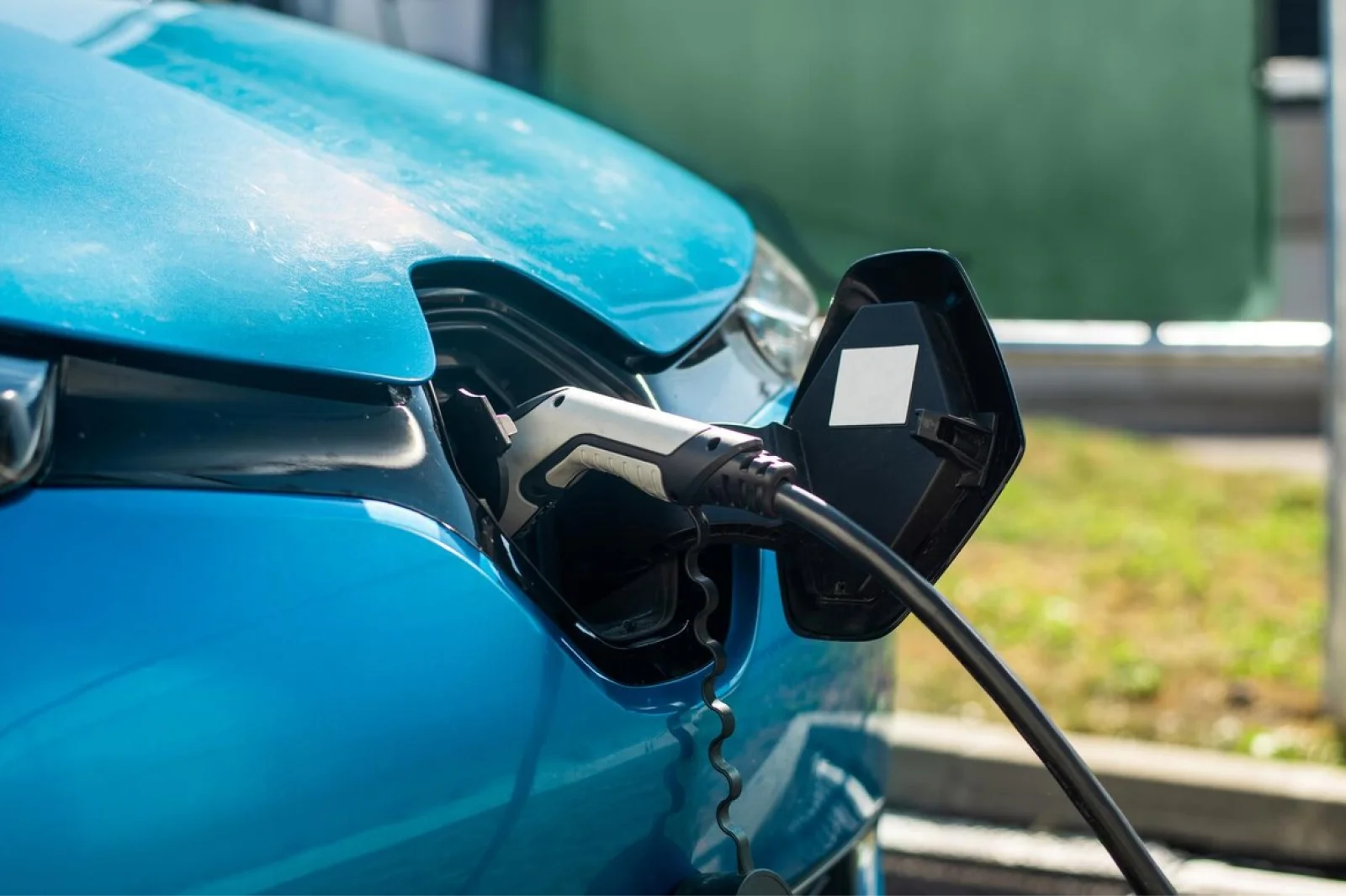
Not all sectors face the same set of challenges, so the mission adopts a sectoral intervention model. Industries like pharmaceuticals, engineering goods, and IT services already have a strong global presence but need policy tweaks to sustain growth. Conversely, sunrise sectors like green technology, electric vehicles, and defense manufacturing require a push in terms of R&D funding, technology adoption, and international marketing campaigns. Allocating sector-specific incentives ensures that India’s export portfolio becomes more diversified, reducing dependency on a limited set of products.
🔸 Market Diversification and Trade Diplomacy
A large part of India’s exports currently goes to a few traditional markets such as the US, UAE, and EU. This dependency exposes exporters to risks if any of these economies slow down or impose trade barriers. The mission will fund trade fairs, buyer-seller meets, and diplomatic trade negotiations aimed at entering new regions like Latin America, Africa, and Central Asia. By tapping into these emerging markets, India can safeguard its export revenue against geopolitical or economic shocks.
🔸 Digital Transformation of Trade Processes
Exporters often face delays due to outdated paper-based systems and inconsistent compliance checks. The Export Support Mission proposes to digitize customs clearances, standardize trade documentation through blockchain solutions, and integrate exporters into national trade portals that provide end-to-end visibility on shipments. This digital transformation will not only reduce transaction costs but also make Indian exporters more competitive by aligning them with global best practices.
Expected Impact on India’s Trade Landscape
The ₹2,250 crore allocation is more than a financial figure — it is a signal of intent. If executed effectively, the Export Support Mission can help India move closer to its goal of achieving $2 trillion in exports by 2030. By addressing logistical constraints, providing targeted sectoral support, and enhancing India’s presence in new markets, this initiative could reduce the country’s trade deficit and strengthen the rupee’s stability in the long run.
Furthermore, the mission aligns with Make in India and Atmanirbhar Bharat objectives, ensuring that domestic manufacturing gains the momentum needed to compete on global terms. This could translate into increased employment, higher foreign exchange earnings, and stronger industrial growth across states.
Challenges That Could Affect Implementation
While the mission is ambitious, its success will depend on efficient execution. Key challenges include:
🔸 Bureaucratic Delays — If fund disbursement and project approvals are slow, exporters may not experience timely relief, undermining the mission’s effectiveness.
🔸 Global Economic Volatility — External factors like recessions, oil price fluctuations, or geopolitical tensions could limit the impact of domestic export incentives.
🔸 Infrastructure Readiness — Building world-class logistics systems requires coordination between central and state governments, which has historically been a bottleneck.
To mitigate these risks, the government will need to adopt real-time monitoring, public-private partnerships, and fast-track policy execution models.
Conclusion
India’s Export Support Mission is not just about pumping ₹2,250 crore into the trade sector — it’s about creating a sustainable ecosystem for exporters to thrive. By combining infrastructure upgrades, MSME empowerment, sectoral support, market diversification, and digital transformation, the government is laying the groundwork for a more resilient export economy. If implemented efficiently, this mission could be one of the most impactful trade initiatives India has launched in recent years.